

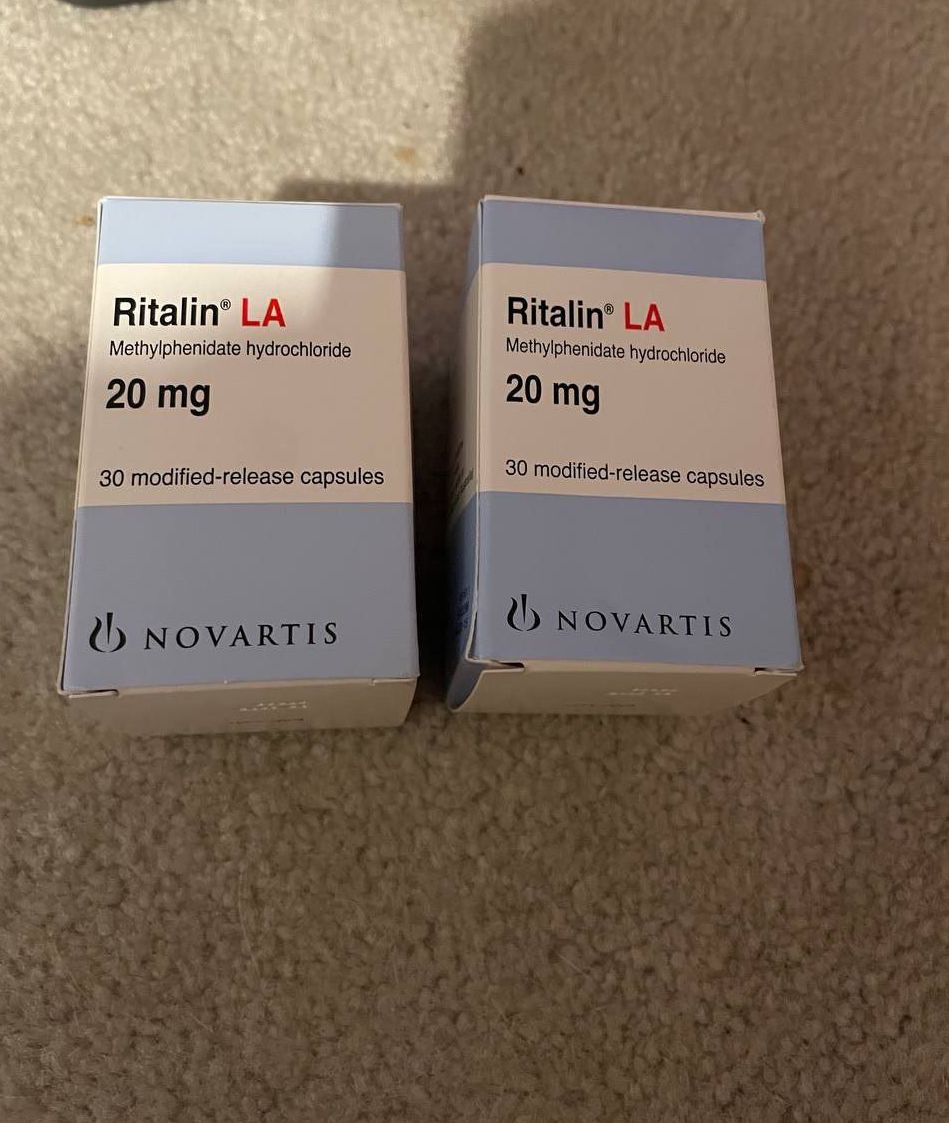
Description
20mg Ritalin (Methylphenidate): Uses, Dosage, Benefits & Safety Guide
Professional ADHD Treatment Overview
20mg Ritalin (methylphenidate) is a prescription central nervous system stimulant widely used in the treatment of Attention-Deficit/Hyperactivity Disorder (ADHD) and narcolepsy. For decades, it has been one of the most studied and clinically trusted medications for improving attention, focus, and behavioral control in children, adolescents, and adults.
This guide provides clear, evidence-based information about how Ritalin works, common medical uses, dosing considerations, and important safety precautions.
What Is Ritalin (Methylphenidate)?
Ritalin contains methylphenidate hydrochloride, a stimulant that increases levels of dopamine and norepinephrine in the brain. These neurotransmitters help regulate:
-
Attention span
-
Impulse control
-
Mental alertness
-
Task completion
-
Executive functioning
By improving communication between certain brain regions, methylphenidate helps many individuals better manage ADHD symptoms throughout the day.
Medical Uses
ADHD Treatment
Ritalin is commonly prescribed to help patients:
-
Improve concentration and focus
-
Reduce impulsive behavior
-
Manage hyperactivity
-
Enhance school and workplace performance
-
Support daily functioning and organization
Narcolepsy
-
Promotes wakefulness
-
Reduces excessive daytime sleepiness
Treatment should always be supervised by a licensed healthcare professional.
Immediate-Release vs Extended-Release Options
Methylphenidate is available in multiple formulations:
Immediate-Release (IR)
-
Works quickly (30–60 minutes)
-
Lasts about 3–4 hours
-
May require multiple doses daily
Extended-Release (ER/XR)
-
Longer-lasting coverage (8–12 hours)
-
Once-daily convenience
-
More consistent symptom control
Your provider determines the best formulation based on individual needs and daily schedules.
Dosage & Administration
Dosage is personalized based on age, weight, symptom response, and medical history.
General guidance:
-
Start with a low dose and adjust gradually
-
Take exactly as prescribed
-
Avoid late dosing to reduce insomnia
-
Regular follow-up appointments recommended
Never change your dose without medical advice.
Potential Benefits
Many patients experience:
-
Improved attention and productivity
-
Better academic or work performance
-
Reduced distractibility
-
Enhanced behavioral control
-
Greater daily organization
Medication is often most effective when combined with behavioral therapy and structured routines.
Possible Side Effects
Like all stimulant medications, Ritalin may cause side effects. Common ones include:
-
Reduced appetite
-
Trouble sleeping
-
Headache
-
Dry mouth
-
Increased heart rate
-
Mild anxiety or irritability
Contact a healthcare provider if side effects persist or worsen.
Safety & Precautions
Ritalin is classified as a Schedule II controlled medication, meaning it requires careful medical supervision.
Important considerations:
-
Prescription required
-
Potential for misuse or dependence
-
Not suitable for certain heart conditions
-
May interact with other medications
-
Store securely and safely
Discuss your complete medical history with your provider before starting treatment.
When to Consult a Healthcare Professional
Seek medical advice if you:
-
Suspect ADHD or narcolepsy symptoms
-
Need diagnosis or evaluation
-
Experience side effects
-
Require dosage adjustments
-
Want to compare treatment options
Professional guidance ensures safe and effective care.
Ritalin (methylphenidate) remains one of the most established and effective ADHD medications available today. When prescribed responsibly and monitored appropriately, it can significantly improve quality of life, academic performance, and daily functioning.
Always use prescription medications under licensed medical supervision.



Reviews
There are no reviews yet.