

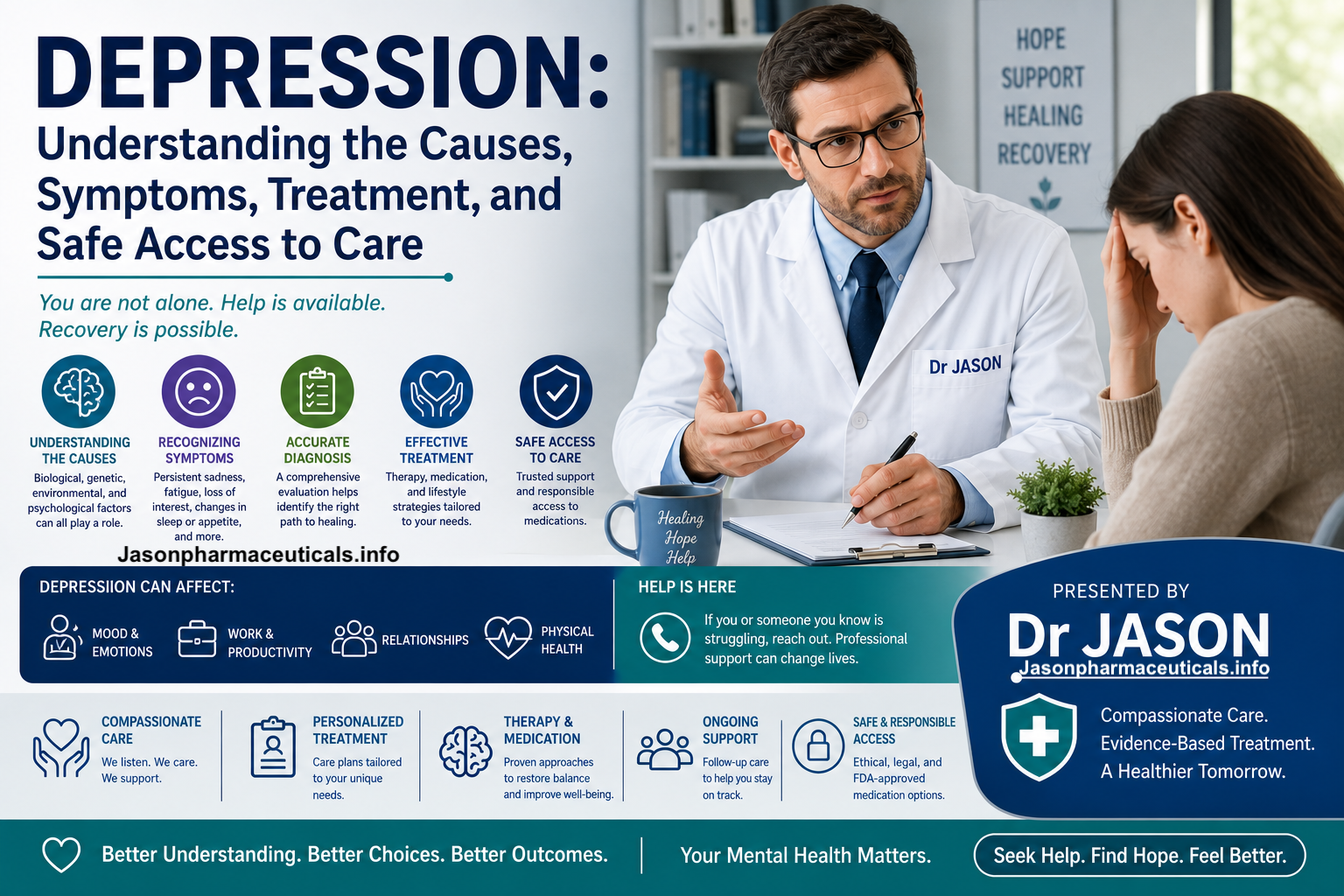
Presented by Dr. JASON
Attention-Deficit/Hyperactivity Disorder (ADHD) is one of the most common neurodevelopmental disorders diagnosed during childhood. It affects a child’s ability to focus, regulate behavior, manage impulses, and complete age-appropriate tasks. While many children occasionally become distracted or energetic, ADHD involves persistent symptoms that can affect learning, social interactions, and everyday functioning.
At Jason Research Chemicals, Dr. JASON is committed to providing educational information about neuroscience, clinical pharmacology, pharmaceutical science, and healthcare research. This article explains ADHD in children, common symptoms, available treatment options, and the importance of receiving care through qualified healthcare professionals.
What Is ADHD?
ADHD is a neurodevelopmental condition associated with differences in brain development and function, particularly in areas involved with attention, executive functioning, and self-regulation.
Children with ADHD may experience challenges with:
- Paying attention
- Following instructions
- Organizing schoolwork
- Controlling impulses
- Remaining seated when expected
- Completing homework and daily activities
Symptoms can vary in severity and may continue into adolescence and adulthood.
Common Symptoms of ADHD in Children
Healthcare professionals generally classify ADHD symptoms into three categories.
Inattention
Children may:
- Have difficulty concentrating
- Make careless mistakes
- Lose school supplies frequently
- Become easily distracted
- Forget daily responsibilities
- Struggle to complete assignments
- Have trouble organizing tasks
Hyperactivity
Children may:
- Fidget frequently
- Run or climb excessively in inappropriate situations
- Talk excessively
- Have difficulty remaining seated
- Appear constantly “on the go”
Impulsivity
Children may:
- Interrupt conversations
- Answer questions before they are finished
- Have difficulty waiting their turn
- Act without considering consequences
Causes and Risk Factors
Although the exact cause of ADHD is not fully understood, research suggests multiple contributing factors, including:
- Genetics
- Brain development
- Environmental influences
- Premature birth or low birth weight in some cases
Researchers continue to investigate the biological mechanisms involved in ADHD.
How ADHD Is Diagnosed
Diagnosis requires a comprehensive evaluation by a qualified healthcare professional, which may include:
- Medical and developmental history
- Interviews with parents or caregivers
- Teacher observations
- Standardized behavior rating scales
- Assessment of symptoms across multiple settings
- Evaluation for other medical or developmental conditions
Accurate diagnosis is essential for developing an appropriate treatment plan.
Treatment Options
Treatment is individualized based on the child’s age, symptoms, and needs.
Behavioral Therapy
Behavioral interventions help children develop:
- Organizational skills
- Emotional regulation
- Positive behavior strategies
- Social skills
- Daily routines
Behavioral therapy is often recommended, particularly for younger children.
Parent and Caregiver Training
Parents and caregivers can learn strategies that support positive behavior, consistent routines, and effective communication.
School-Based Support
Many children benefit from classroom accommodations, individualized educational plans when appropriate, and collaboration between families, teachers, and healthcare professionals.
Medication
For some children, a healthcare professional may recommend prescription medication as part of a comprehensive treatment plan. Medication decisions should be based on a careful evaluation, with ongoing monitoring for effectiveness and potential side effects.
Healthy Lifestyle Habits
Daily habits can complement professional treatment, including:
- Consistent sleep schedules
- Regular physical activity
- Balanced nutrition
- Structured routines
- Positive reinforcement
- Limiting unnecessary distractions during homework
Safe Access to ADHD Care
If medication is recommended, it should be prescribed by a licensed healthcare professional and obtained from a licensed pharmacy in accordance with local laws. Avoid websites that claim to provide prescription ADHD medications without an appropriate medical evaluation or valid prescription, as these products may be unsafe or counterfeit.
Parents should always discuss questions about treatment with their child’s pediatrician, psychiatrist, or another qualified healthcare provider.
Ongoing ADHD Research
Researchers continue to study:
- Brain development
- Genetics
- Personalized treatment strategies
- Digital health technologies
- Behavioral interventions
- Long-term outcomes
- Family-centered care
These advances continue to improve understanding of ADHD and support better care for children and families.
Conclusion
ADHD in children is a well-recognized neurodevelopmental condition that can affect learning, behavior, and daily life. Early recognition, comprehensive evaluation, evidence-based treatment, and ongoing support can help children develop important skills and reach their full potential.
Presented by Dr. JASON, Jason Research Chemicals is dedicated to providing educational information on neuroscience, pharmaceutical science, clinical pharmacology, laboratory research, and biomedical innovation. Our mission is to support scientific learning through accurate, evidence-based healthcare education.
ADHD in Children, Childhood ADHD, ADHD Symptoms, ADHD Diagnosis, ADHD Treatment, Behavioral Therapy, Pediatric ADHD, Child Mental Health, Clinical Pharmacology, Neuroscience, Pharmaceutical Science, Healthcare Education, Medical Research, Dr. JASON, Jason Research Chemicals.
Leave a Reply