

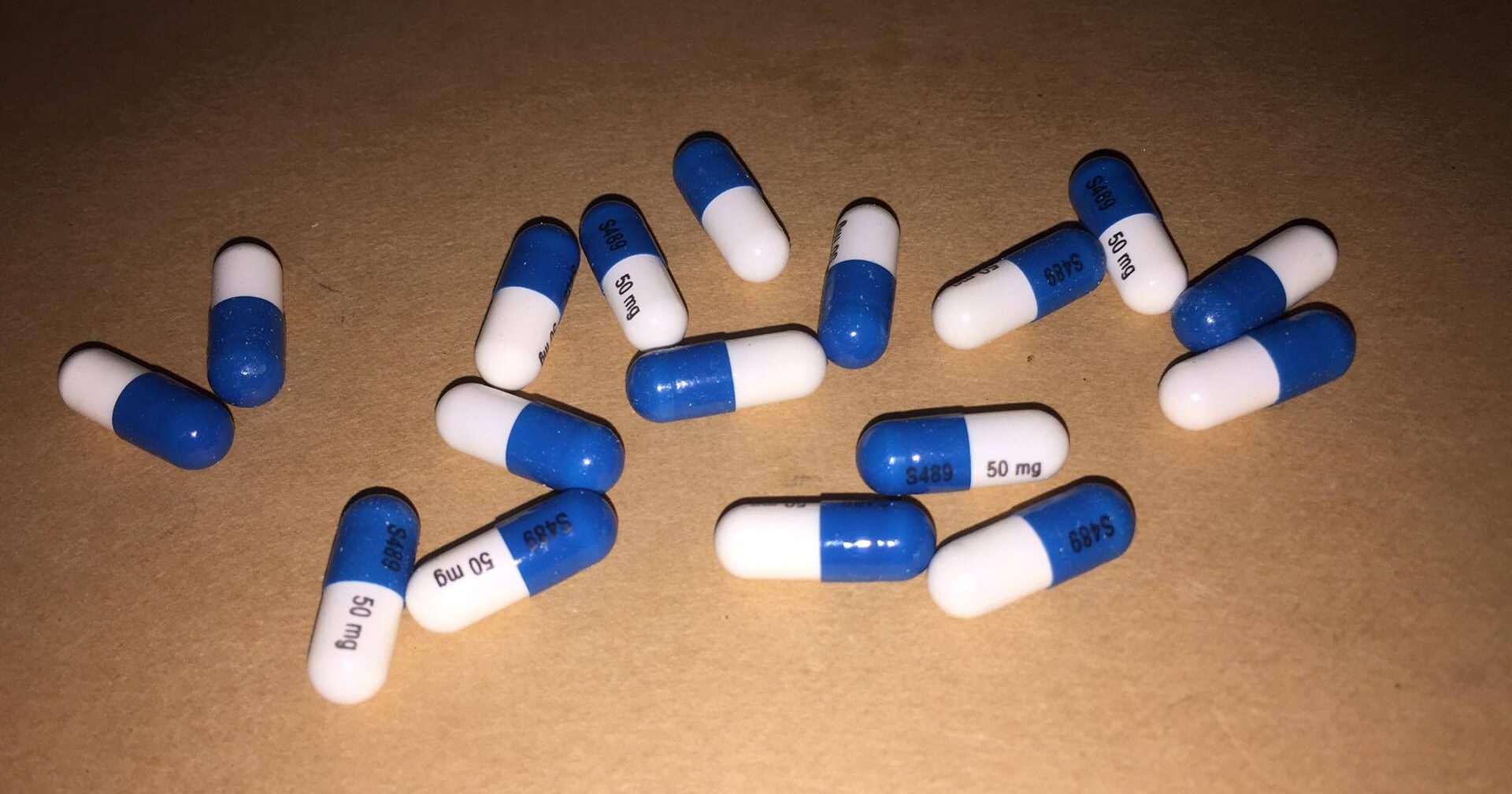
Description
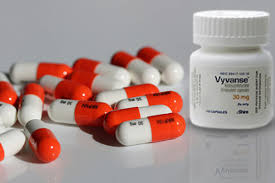
50mg Vyvanse (Lisdexamfetamine) – Uses, Dosage, Benefits & Safety Guide
Clinical Overview & Educational Resource by Dr. Jason
50mg Vyvanse (lisdexamfetamine) is a prescription central nervous system stimulant commonly prescribed for Attention-Deficit/Hyperactivity Disorder (ADHD) in children, adolescents, and adults. It is also FDA-approved for the treatment of Binge Eating Disorder (BED) in adults. Designed as a long-acting medication, Vyvanse provides gradual and extended symptom management throughout the day when taken under the supervision of a licensed healthcare professional.
This page offers an evidence-based overview of Vyvanse, including how it works, its clinical uses, dosing considerations, and safety precautions.
What Is Vyvanse (Lisdexamfetamine)?
Vyvanse is a prodrug stimulant, meaning it is inactive until metabolized in the body. This gradual conversion provides:
-
Extended duration of effect (up to 14 hours)
-
More consistent symptom management
-
Lower potential for misuse compared to some other stimulants
Vyvanse works by increasing dopamine and norepinephrine levels in the brain, neurotransmitters that influence focus, attention, and impulse control.
Medical Uses
ADHD Treatment
Vyvanse may help patients:
-
Sustain attention and focus
-
Reduce hyperactivity and impulsivity
-
Support academic, workplace, and daily functioning
-
Improve organizational skills
Binge Eating Disorder (BED)
-
Reduces the frequency of binge eating episodes
-
Supports behavioral therapy and lifestyle interventions
All treatment plans are individualized by a licensed clinician.
Dosage & Administration
Vyvanse is available in multiple strengths and is taken once daily in the morning. General clinical guidance includes:
-
Swallow capsules whole or dissolve in water per prescription instructions
-
Take in the morning to avoid insomnia
-
Start at the lowest effective dose and adjust as advised by a healthcare provider
-
Regular follow-ups are recommended to monitor efficacy and side effects
Key Benefits of Vyvanse
-
Once-daily dosing for all-day symptom coverage
-
Smooth, extended release with minimal peaks and troughs
-
Evidence-based ADHD and BED treatment
-
Reduced risk of abuse relative to some immediate-release stimulants
Possible Side Effects
Common side effects may include:
-
Decreased appetite
-
Insomnia or difficulty sleeping
-
Dry mouth
-
Headache
-
Increased heart rate
-
Anxiety or restlessness
Seek medical guidance for persistent or severe side effects.
Safety & Important Considerations
Vyvanse is a Schedule II controlled substance and should be used responsibly:
-
Prescription required
-
Potential for misuse or dependence
-
Not suitable for individuals with certain heart or blood pressure conditions
-
May interact with other medications
-
Stored securely, out of reach of children
Always discuss your full medical history with a healthcare provider before starting treatment.
When to Consult a Healthcare Professional
Consult a licensed clinician if you:
-
Suspect ADHD or BED symptoms
-
Need evaluation or diagnosis
-
Experience side effects or require dosage adjustments
-
Want to explore alternative treatment options
Medication is most effective when combined with behavioral therapy, structured routines, and lifestyle support.
About Dr. Jason
Dr. Jason and his clinical team focus on evidence-based ADHD and BED care, responsible prescribing practices, and patient education. Their mission is to provide accurate, medically reliable information to help patients make informed treatment decisions.
Reviews
There are no reviews yet.