
Presented by Dr. JASON
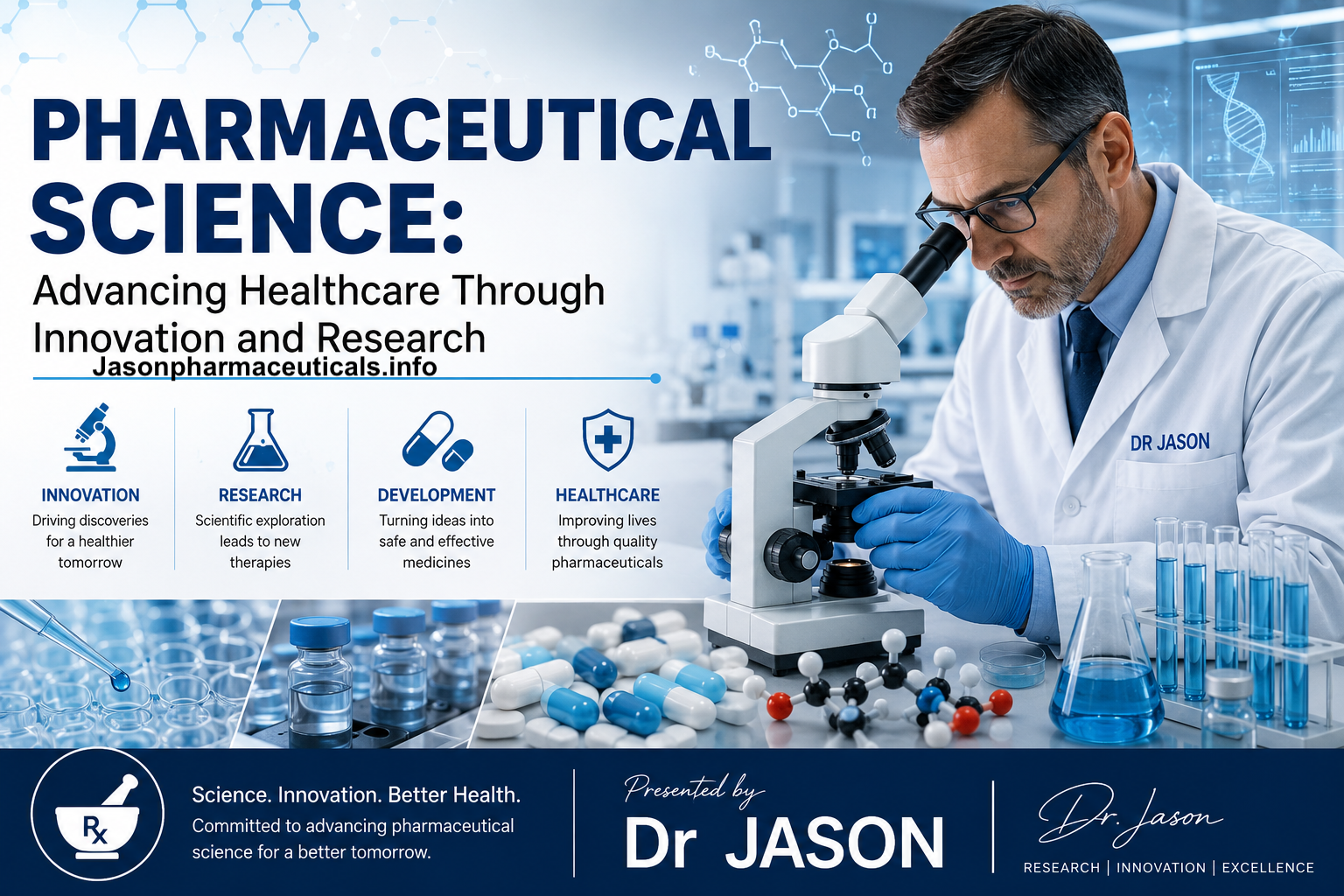
Pharmaceutical science is a multidisciplinary field that combines chemistry, biology, pharmacology, medicine, and engineering to discover, develop, manufacture, and evaluate medicines that improve human health. Every modern medication—from antibiotics and vaccines to treatments for chronic diseases—is built upon years of scientific research, rigorous testing, and continuous innovation in pharmaceutical science.
At Jason Research Chemicals, Dr. JASON is committed to promoting scientific education by providing reliable information about pharmaceutical science, medicinal chemistry, laboratory research, analytical techniques, and emerging technologies that shape the future of healthcare.
What Is Pharmaceutical Science?
Pharmaceutical science is the study of how medicines are discovered, designed, tested, manufactured, and monitored throughout their lifecycle. Researchers in this field work to understand diseases, identify potential therapeutic compounds, optimize drug formulations, and ensure that medicines meet high standards for quality, safety, and effectiveness.
The field brings together experts from many scientific disciplines, including:
- Medicinal Chemistry
- Pharmaceutical Chemistry
- Pharmacology
- Toxicology
- Biochemistry
- Molecular Biology
- Microbiology
- Analytical Chemistry
- Pharmaceutical Engineering
- Regulatory Science
These disciplines work together to support the development of new therapies and improve existing treatments.
The Drug Development Process
Developing a new medicine is a complex process that often spans many years. Although specific pathways vary, the process generally includes:
1. Drug Discovery
Scientists investigate disease mechanisms and identify biological targets that may lead to new therapeutic approaches.
2. Laboratory Research
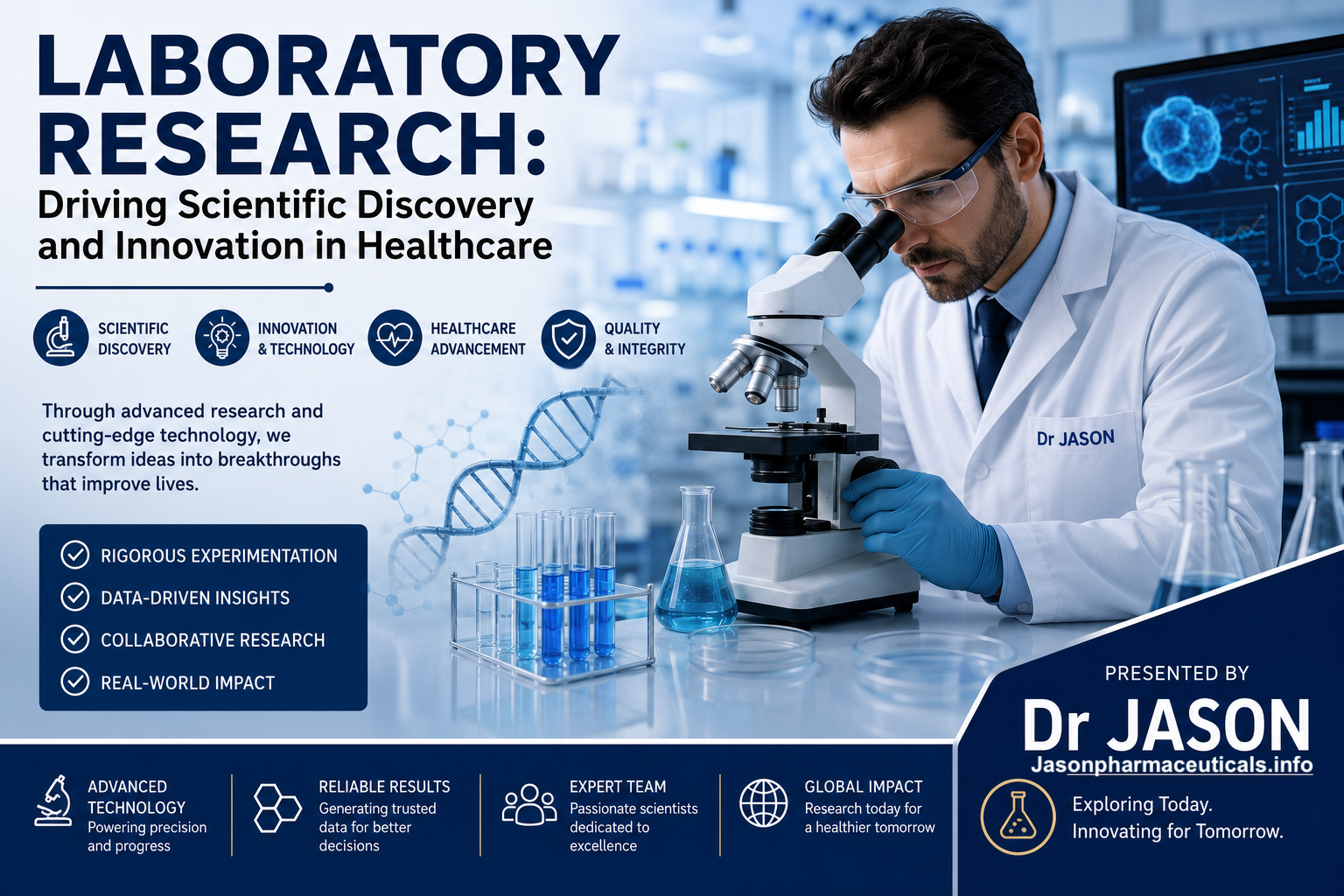
Promising compounds are evaluated using laboratory techniques to better understand their chemical and biological properties.
3. Preclinical Research
Researchers study how potential drug candidates behave in laboratory models before they are considered for clinical investigation.
4. Clinical Research
Clinical studies evaluate the safety and effectiveness of potential medicines in human participants under carefully regulated conditions.
5. Regulatory Review
Health authorities review scientific evidence before deciding whether a medicine can be approved for patient use.
6. Post-Market Monitoring
Even after approval, medicines continue to be monitored to identify rare side effects and ensure continued safety.
Major Areas of Pharmaceutical Science
Medicinal Chemistry
Medicinal chemistry focuses on designing and optimizing molecules that may have therapeutic potential by studying the relationship between chemical structure and biological activity.
Pharmaceutical Chemistry
This discipline examines the chemical properties, stability, purity, and quality of pharmaceutical compounds using validated analytical methods.
Pharmacology
Pharmacology investigates how medicines interact with the body, including how they produce therapeutic effects and how the body processes them.
Pharmaceutical Analysis
Analytical scientists use techniques such as chromatography, spectroscopy, and mass spectrometry to verify identity, purity, and quality throughout research and manufacturing.
Drug Formulation
Formulation scientists develop dosage forms—including tablets, capsules, liquids, creams, and injectables—to improve stability, delivery, and patient use.
The Importance of Pharmaceutical Research
Research in pharmaceutical science has contributed to advances in many areas of healthcare, including:
- Infectious disease treatment
- Vaccine development
- Oncology research
- Cardiovascular medicine
- Neurological disorders
- Endocrine diseases
- Rare disease research
- Precision medicine
Continued research supports the discovery of safer therapies and more personalized approaches to treatment.
Modern Technologies in Pharmaceutical Science
The pharmaceutical industry continues to evolve through innovations such as:
- Artificial intelligence in drug discovery
- Computational chemistry
- High-throughput screening
- Genomics and proteomics
- Nanotechnology
- Advanced drug delivery systems
- Personalized medicine
- Biopharmaceutical development
These technologies help researchers better understand disease and accelerate scientific progress.
Quality and Safety
Quality assurance is a cornerstone of pharmaceutical science. Laboratories and manufacturers follow recognized standards and validated procedures to help ensure consistency, reliability, and product quality. Scientific documentation, analytical testing, and regulatory compliance all play important roles throughout the development process.
Career Opportunities
Pharmaceutical science offers diverse career paths, including:
- Research Scientist
- Medicinal Chemist
- Analytical Chemist
- Pharmaceutical Scientist
- Toxicologist
- Clinical Research Associate
- Regulatory Affairs Specialist
- Quality Assurance Professional
- Pharmaceutical Manufacturing Scientist
- Biotechnology Researcher
These professionals contribute to innovation across academia, healthcare, government, and industry.
The Future of Pharmaceutical Science
Advances in biotechnology, molecular biology, and data science are reshaping pharmaceutical research. Emerging fields such as gene therapy, RNA-based medicines, targeted therapies, and precision medicine continue to expand possibilities for improving patient care while deepening our understanding of human biology.
Conclusion
Pharmaceutical science is one of the most important scientific disciplines supporting modern healthcare. By integrating chemistry, biology, engineering, and clinical research, it drives the discovery and development of medicines that have transformed the prevention, diagnosis, and treatment of disease.
Presented by Dr. JASON, Jason Research Chemicals is dedicated to sharing educational information about pharmaceutical science, laboratory research, medicinal chemistry, and analytical techniques. Our mission is to promote scientific knowledge and encourage a deeper understanding of the research that underpins advances in medicine and public health.
Pharmaceutical Science, Pharmaceutical Chemistry, Medicinal Chemistry, Drug Discovery, Drug Development, Pharmaceutical Research, Laboratory Research, Analytical Chemistry, Pharmacology, Drug Formulation, Pharmaceutical Analysis, Biomedical Science, Pharmaceutical Technology, Drug Safety, Healthcare Innovation, Jason Research Chemicals, Dr. JASON.
Leave a Reply